

Managing your sick leave status in Teams the right way helps you stay professional even when you’re unwell. In today’s fast-paced workplaces, colleagues often rely on quick updates through Microsoft Teams rather than long emails. Setting a clear status lets others know you’re unavailable, reduces interruptions, and keeps work moving without confusion.
A well-written message also supports a professional out-of-office message, especially when paired with an automated out-of-office response in email. Whether you’re taking a short day off or dealing with a medical leave of absence, updating your Teams status shows respect for shared time. It also helps teammates understand your workplace availability expectations while giving you the space to rest and recover properly.
What Is an Out-of-Office Message for Medical Leave?
An out-of-office message for medical leave is an automated out-of-office response attached to email or phone systems. It tells senders you’re unable to respond at this time because of a medical leave of absence. Many people rely on an email out-of-office reply or a voicemail out-of-office message to share the same update.
This type of workplace out-of-office notice matters when timing is uncertain. You may be recovering from illness or facing an unexpected medical emergency. The message acts as a bridge, explaining delays and guiding people to help without oversharing.
Why a Professional Out-of-Office Message Matters During Sick Leave
A professional out-of-office message protects trust. Clients and coworkers know what to expect, even when a response may be delayed. Clear language also supports workplace availability expectations, which managers value in U.S. teams.
It also reduces stress. When you define urgent matters only and name a backup, you avoid constant follow-ups. People can contact during my absence without guessing. That calm structure keeps work flowing.
What to Include in an Out-of-Office Message for Medical Leave
Strong messages share timing, limits, and help. Many people add dates or say when they expect to return to the office. If timing is unclear, an out-of-office message with no return date still works when expectations are set kindly.
You should also list an alternative point of contact who is handling my responsibilities. Keep wording respectful and brief. Use privacy-conscious medical messaging to avoid details. Close with “appreciate your understanding” to keep the tone human.
15 Out-of-Office Message Examples for Medical & Sick Leave

Examples save time and reduce anxiety. Each medical leave out-of-office message below matches a real situation. You’ll see language for short illness, longer recovery, and uncertain timelines.
These examples work as a professional sick leave email, a medical absence email message, or an office auto-reply for illness. You can copy them or adjust the tone to fit your role.
Short Out-of-Office Messages for Sick Leave
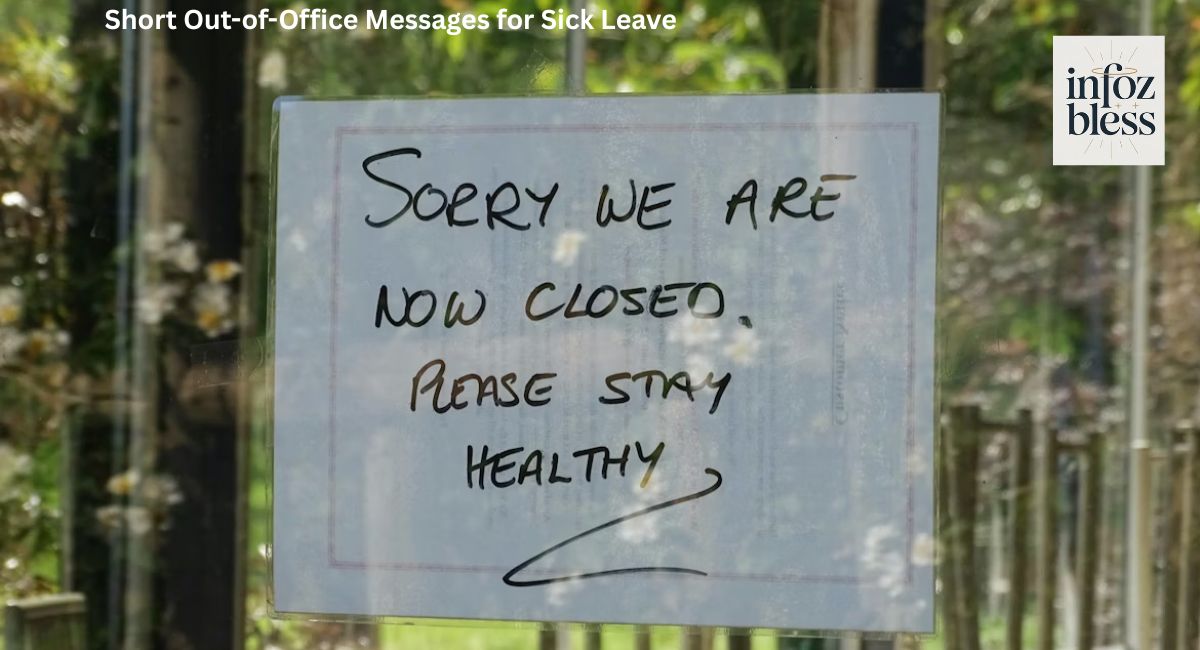
A short sick leave message fits sudden illness. It states absence, names help, and promises a quick return. This approach suits a one-day flu or fever and keeps inboxes calm.
Many teams prefer this out-of-office message for sick leave because it’s fast and polite. It’s also a clear temporary absence message that avoids details while setting limits.
Out-of-Office Messages for Extended Medical Leave
An extended medical leave message helps during surgery or long recovery. It explains delays and routes work to a backup. If you know timing, an out-of-office message with return date reduces follow-ups.
When timing is unclear, say so. An out-of-office message with no return date still works when paired with a manager’s contact. This clarity supports professional communication standards.
Out-of-Office Messages for Mental Health Leave
Mental health leave deserves respect. Messages should be calm, neutral, and private. A sick leave OOO message can simply state you’re on leave and provide a contact.
This approach aligns with privacy-conscious medical messaging. It keeps boundaries intact while meeting workplace availability expectations in U.S. offices.
Out-of-Office Messages When You’re Sick but Working Remotely

Sometimes you’re ill but available in limited ways. Say when you’ll check messages and when you won’t. This sets realistic limits and explains why a response may be delayed.
A clear office auto-reply for illness avoids burnout. It also shows care for teammates who need to plan around your reduced hours.
Out-of-Office Sick Messages for Managers & Colleagues

Direct notes to managers can add context. You can explain coverage and priorities without details. For colleagues, keep it short and kind.
This emergency sick leave message style prevents confusion and supports collaboration. It shows respect while protecting your recovery time.
Best Practices & Tips for Writing an Effective Sick Leave OOO Message
Write like a human. Use contractions. Keep sentences short. State limits clearly. Name help. Close kindly. These habits strengthen a professional out-of-office message.
Update the message if dates change. Consistency across email and phone matters. Matching your email out-of-office reply with your voicemail out-of-office message avoids mixed signals.
FAQs About Out-of-Office Messages for Medical Leave
Many ask if details are required. They aren’t. You can keep reasons private and still be helpful. Another question is timing. Set expectations early, even if dates change.
People also ask about urgency. Direct urgent matters only to a backup. That choice protects health and workflow together.
Related Resources & Templates
Templates speed setup and reduce stress. Below is a simple reference table you can adapt for email or phone.
| Situation | Best Message Style | Notes |
| One-day illness | short sick leave message | Clear return timing |
| Surgery recovery | extended medical leave message | Name backup |
| Unknown return | out-of-office message with no return date | Reassure senders |
| Limited remote work | office auto-reply for illness | Set check-in times |
These patterns work across roles and industries. Use them to create a reliable workplace out-of-office notice that keeps trust strong while you heal.
FAQs
How to set sick leave status on Teams?
Open Microsoft Teams, click your profile picture, select your status, and add a short status message explaining you’re on sick leave.
How do I write my sick leave status?
Keep it simple and clear, such as saying you’re out sick today and will respond when you’re back.
How to inform a team about sick leave?
Send a brief message in the team chat or channel stating you’re on sick leave and who to contact if needed.
What is a good Teams status message?
A good message politely says you’re away, mentions limited availability, and gives a return time if known.
How do you say sick leave?
You can say you’re out sick, on medical leave, or taking a sick day.
How do I say I am currently on leave?
You can say you’re currently on leave and will reply once you return.
Conclusion
A clear out-of-office message during sick or medical leave isn’t just a formality. It’s a small step that makes a big difference. When you set expectations, protect your privacy, and guide people to the right contact, work continues smoothly while you focus on recovery. That balance matters. Whether you need a short note for a sick day or a detailed message for extended medical leave, the right words help you stay professional without oversharing. Use the examples and tips shared here to create an out-of-office message that feels human, respectful, and right for your workplace.

Welcome! My name is Tayyab Khan. I have 3 years of experience in content creation, and I run the positive and spiritual platform InfozBless.com. I also offer professional guest posting services to help websites grow with high-quality, SEO-friendly content.