

Recognizing relationship warning signs early is essential for building a healthy relationship based on trust, respect, and emotional safety. Many people ignore subtle dating red flags because they confuse love with attachment or emotional dependency. However, understanding the difference between healthy vs unhealthy relationships can protect your emotional well-being and mental health in relationships. When a partner shows controlling behavior, emotional manipulation, or signs of relationship problems, it may lead toward a toxic relationship or even an abusive relationship. These patterns often damage self-worth and emotional stability. Learning to identify early signals helps improve relationship communication, set strong boundaries, and maintain emotional balance. This guide will help you understand key warning signs so you can protect your relationship safety and emotional well-being before things become harmful.
What Are Relationship Red Flags?
- Relationship warning signs are early indicators of unhealthy patterns that affect trust in relationships and emotional stability.
- These signs often reflect deeper relationship problems that slowly damage communication and understanding.
- Many red flags appear as unhealthy behaviors that harm emotional well-being over time.
- Some behaviors indicate emotional abuse or psychological abuse in relationships.
- A controlling partner may restrict freedom and personal decision-making.
- Possessive behavior often creates insecurity and emotional pressure.
- Red flags break relationship boundaries and reduce emotional safety.
- They weaken relationship respect and increase emotional confusion.
- Many are linked to emotional manipulation used to control decisions.
- Ignoring these signs can lead to a toxic relationship.
- These patterns affect mental health in relationships and increase anxiety.
- Awareness improves relationship support and emotional clarity.
- Early detection helps prevent domestic abuse situations.
- Red flags often appear during relationship conflicts.
- Understanding them builds a strong healthy relationship foundation.
Why It’s Important to Recognize Red Flags Early
- Early detection prevents long-term emotional stress and mental exhaustion.
- It helps avoid entering an unhealthy relationship that damages emotional balance.
- You can identify warning signs of abuse before they escalate.
- It strengthens relationship boundaries and personal respect.
- Early awareness reduces emotional manipulation.
- It protects emotional well-being and mental peace.
- It improves relationship communication and honesty.
- Helps detect a controlling partner early in dating stages.
- Reduces exposure to psychological control and coercion.
- Prevents long-term emotional damage.
- Strengthens self-esteem and confidence.
- Supports better decision-making in relationships.
- Encourages mutual respect between partners.
- Reduces anxiety in relationships and insecurity.
- Builds a strong healthy relationship mindset.
Common Red Flags in a Relationship
- Excessive jealousy leads to insecurity and emotional pressure in relationships.
- Controlling behavior limits independence and freedom.
- Unrealistic expectations create emotional imbalance and stress.
- Isolation from family is a major sign of manipulation.
- Emotional manipulation causes guilt and confusion.
- Verbal abuse damages confidence and emotional health.
- Financial control removes independence and creates dependency.
- Constant criticism reduces self-esteem over time.
- Blame shifting avoids accountability in relationships.
- Gaslighting distorts reality and increases confusion.
- Emotional neglect leads to loneliness and sadness.
- Possessiveness turns into controlling behavior.
- Intimidation creates fear in relationships.
- Toxic communication destroys trust and understanding.
- Unhealthy attachment creates emotional dependency.
Emotional and Psychological Red Flags You Should Never Ignore
- Strong emotional manipulation in relationships damages emotional clarity and trust.
- Psychological abuse creates fear, confusion, and insecurity.
- A controlling boyfriend or girlfriend limits independence.
- Emotional blackmail forces unwanted decisions.
- Coercive control removes personal freedom.
- Constant anxiety in relationships signals emotional instability.
- Emotional stress builds due to unhealthy patterns.
- Lack of emotional support weakens the relationship bond.
- Relationship insecurity increases over time.
- Fear replaces love in unhealthy connections.
- Emotional dependency reduces personal growth.
- Repeated unhealthy patterns damage trust.
- Emotional damage affects long-term mental health.
- Lack of mutual respect breaks emotional connection.
- Ignoring relationship warning signals increases emotional harm.
What to Do If You Notice Red Flags in Your Relationship
- Acknowledge dating red flags instead of ignoring them.
- Strengthen relationship boundaries for emotional safety.
- Improve relationship communication with honesty.
- Identify controlling behavior clearly.
- Talk to trusted friends or family.
- Avoid accepting emotional manipulation.
- Focus on rebuilding self-esteem.
- Identify supportive vs toxic behavior.
- Track repeated warning signs.
- Seek professional counseling if needed.
- Prioritize emotional safety over attachment.
- Learn how to recognize red flags in a relationship early.
- Distance yourself from toxic patterns.
- Practice self-care regularly.
- Remember your self-worth matters most.
Red Flags vs Healthy Relationship Signs
- Healthy relationships have trust, toxic ones show trust issues.
- Healthy partners respect personal boundaries.
- Communication is open in healthy relationships.
- Toxic relationships lack mutual respect.
- Healthy love provides emotional support.
- Toxic love creates fear and control.
- Healthy relationships maintain relationship balance.
- Toxic ones rely on manipulation tactics.
- Healthy bonds improve emotional intelligence.
- Toxic ones involve possessiveness.
- Healthy communication is honest and clear.
- Toxic communication creates confusion.
- Healthy love encourages growth.
- Toxic relationships reduce self-worth.
- Healthy bonds improve emotional well-being.
When Should You End the Relationship?
- End when emotional abuse becomes repetitive.
- When controlling behavior increases over time.
- When emotional manipulation never stops.
- When conflicts remain unresolved.
- When emotional stress is constant.
- When respect is lost.
- When mental health declines.
- When gaslighting is frequent.
- When fear replaces love.
- When emotional dependency becomes toxic.
- When emotional blackmail is used often.
- When boundaries are ignored repeatedly.
- When self-esteem is damaged.
- When emotional support is missing.
- When mental health in relationships is affected.
How to Heal After a Toxic Relationship
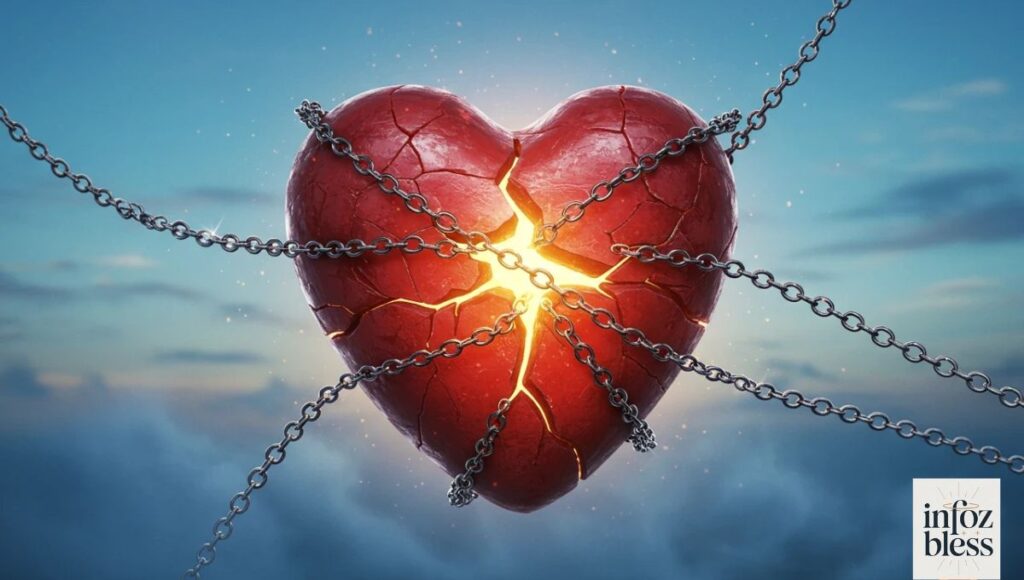
- Accept the reality of a toxic relationship.
- Rebuild self-worth step by step.
- Reduce emotional stress and trauma.
- Surround yourself with supportive people.
- Avoid unhealthy attachment patterns.
- Improve emotional intelligence.
- Practice self-love daily.
- Seek therapy if needed for emotional abuse recovery.
- Learn from past relationship problems.
- Build strong healthy boundaries.
- Heal from psychological abuse effects.
- Reduce anxiety in relationships.
- Improve communication skills.
- Focus on emotional well-being.
- Choose healthier relationships in future.
FAQ
What does emotional depth look like in a relationship?
Emotional depth in a relationship reflects strong emotional connection, mutual respect, open relationship communication, and high emotional support that builds trust and emotional well-being.
How to cope when your boyfriend hates you?
If your boyfriend shows anger or distance, it may reflect relationship problems, so focus on emotional safety, self-worth, and identify possible dating red flags or emotional manipulation.
What is the 65% rule in relationships?
The 65% rule suggests that a healthy relationship is realistic when a partner meets most needs with good relationship compatibility, not perfection, while avoiding toxic expectations.
What are the 4 signs a relationship is failing?
A failing relationship often shows emotional stress, poor communication, lack of emotional support, and increasing relationship conflicts with growing insecurity and disconnection.
What stage do most couples break up?
Most couples break up during the conflict stage when unhealthy behaviors, lack of trust in relationships, and unresolved relationship problems expose a developing toxic relationship.
What is the #1 relationship killer?
The #1 relationship killer is poor relationship communication, which leads to emotional distance, emotional manipulation, trust issues, and breakdown of mutual respect.
Conclusion
Understanding relationship warning signs is essential for protecting emotional health and building a healthy relationship. Recognizing emotional manipulation, controlling behavior, and psychological abuse early helps you avoid a toxic relationship. Always prioritize self-worth, emotional safety, and mutual respect. A good relationship supports growth, trust, and emotional balance, not fear or control.

Welcome! My name is Tayyab Khan. I have 3 years of experience in content creation, and I run the positive and spiritual platform InfozBless.com. I also offer professional guest posting services to help websites grow with high-quality, SEO-friendly content.